
DHA 500
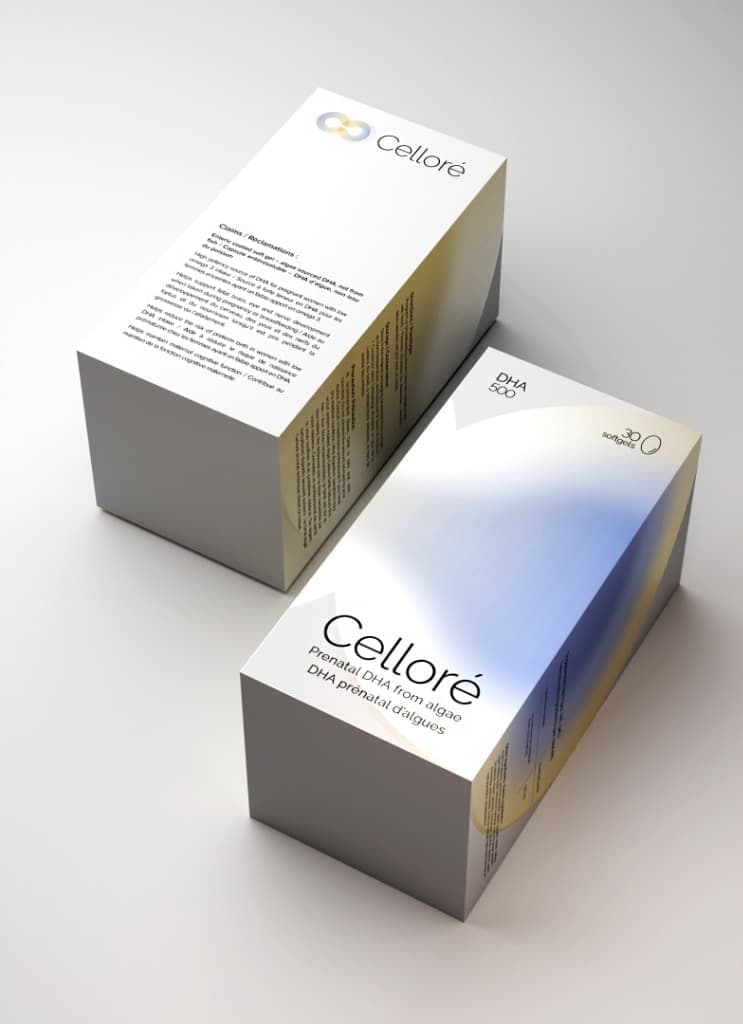
Celloré® DHA 500 provides 1000 mg of docosahexaenoic acid (DHA) per two enteric-coated soft-gels. The DHA is extracted from microalgae (Schizochytrium species), not fish. Algae oil avoids the fishy odor and potential marine contaminant concerns of fish oil and does not contain animal tissue.
Fetal Brain Development
~15% Of brain fatty acids. for neuronal membrane growth and synaptic development.
Fetal Eye Development
≈60% Of retinal polyunsaturated fatty acids. for retinal structure and visual signal transmission.
Full-Term Pregnancy
42% reduction in early preterm birth with higher-dose DHA.
Maximum DHA Support
Designed for increased physiological demand.
Key Ingredient
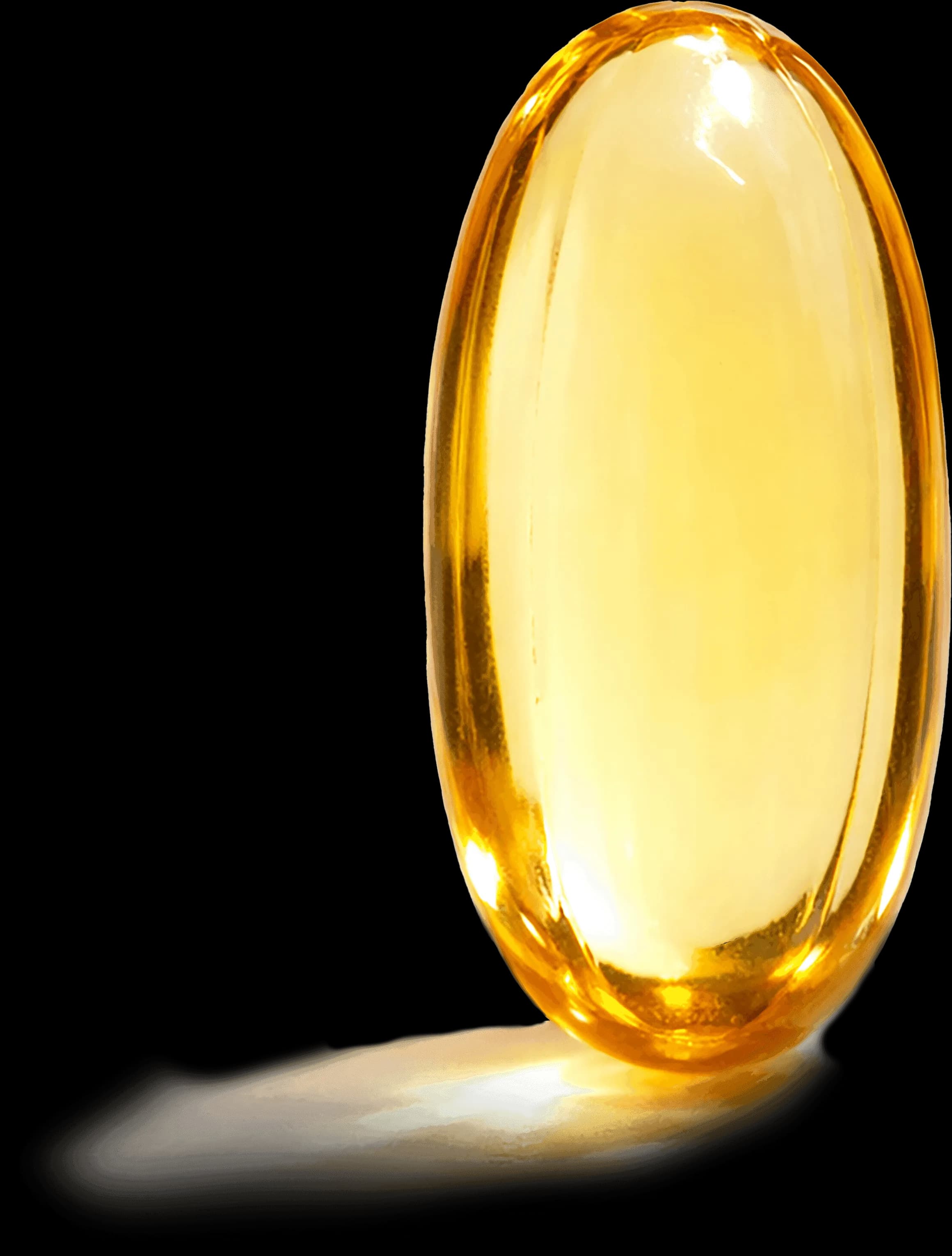
Docosahexaenoic Acid (DHA) extracted from microalgae (Schizochytrium species) Clean, sustainable, fish-free source
Key Ingredient
Docosahexaenoic Acid (DHA) extracted from microalgae (Schizochytrium species) Clean, sustainable, fish-free source
DHA
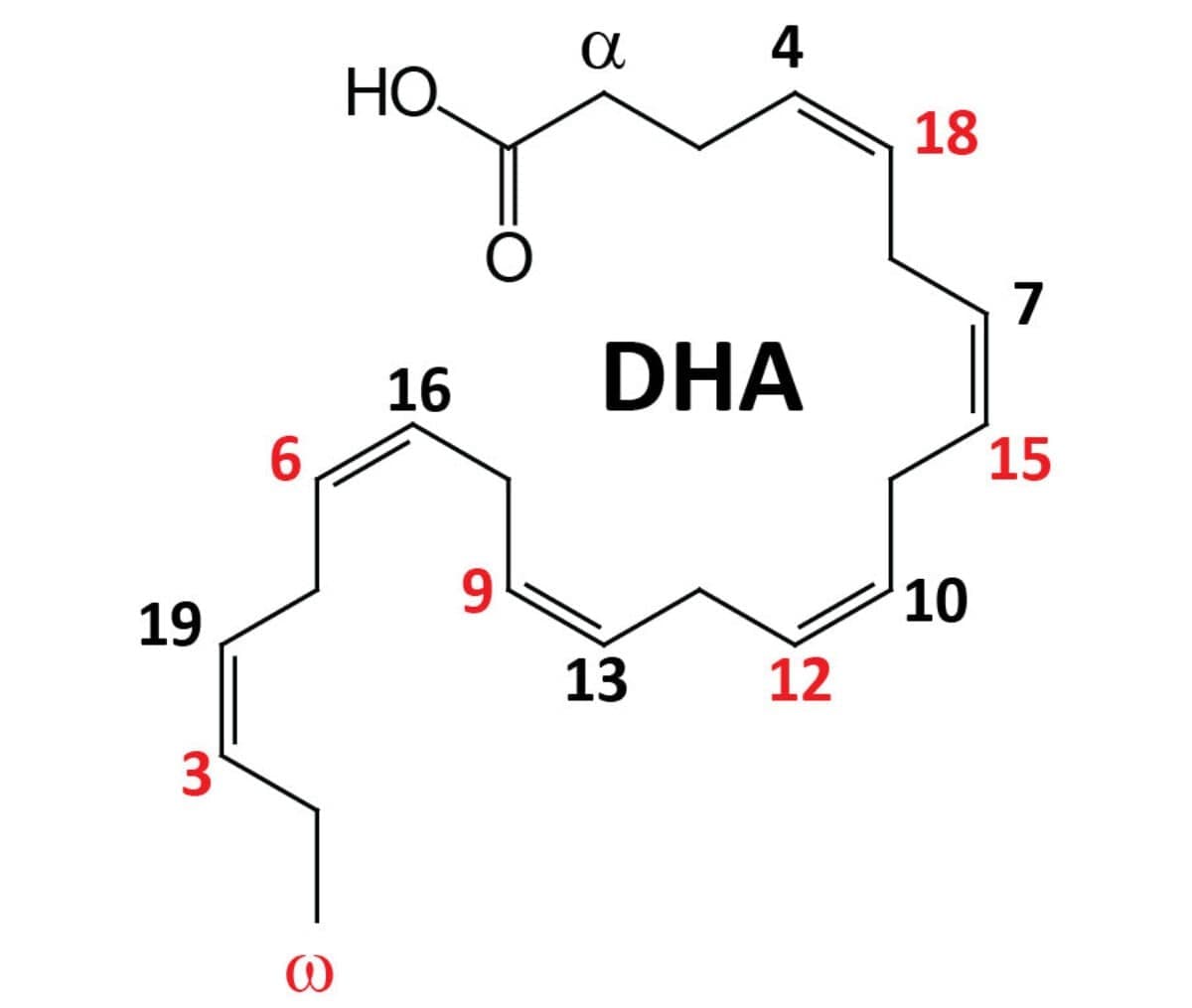
omega-3 fatty acid essential for brain and eye development
Microalgae

A marine microorganism at the base of the ocean's DHA supply
Doing What Matters — By Design
Right Use Matters.
How to Take
During pregnancy and breastfeeding, take two softgels daily, preferably with a meal and a full glass of water.
What to Expect
Clinical trials show up to 42% reduction in early preterm birth (<34 weeks) with higher-dose DHA.
Safety & Use Considerations
Clinical guidelines consider doses up to 1000 mg DHA safe in pregnancy when medically indicated. Consult a healthcare professional if you have any medical condition.
Storage Condition
Store in the original packaging, protected from sunlight, at room temperature, and keep out of reach of children.

Where DHA Matters Most
Focused DHA support for critical stages of fetal development.






Comparison Matters
What sets a focused prenatal DHA apart
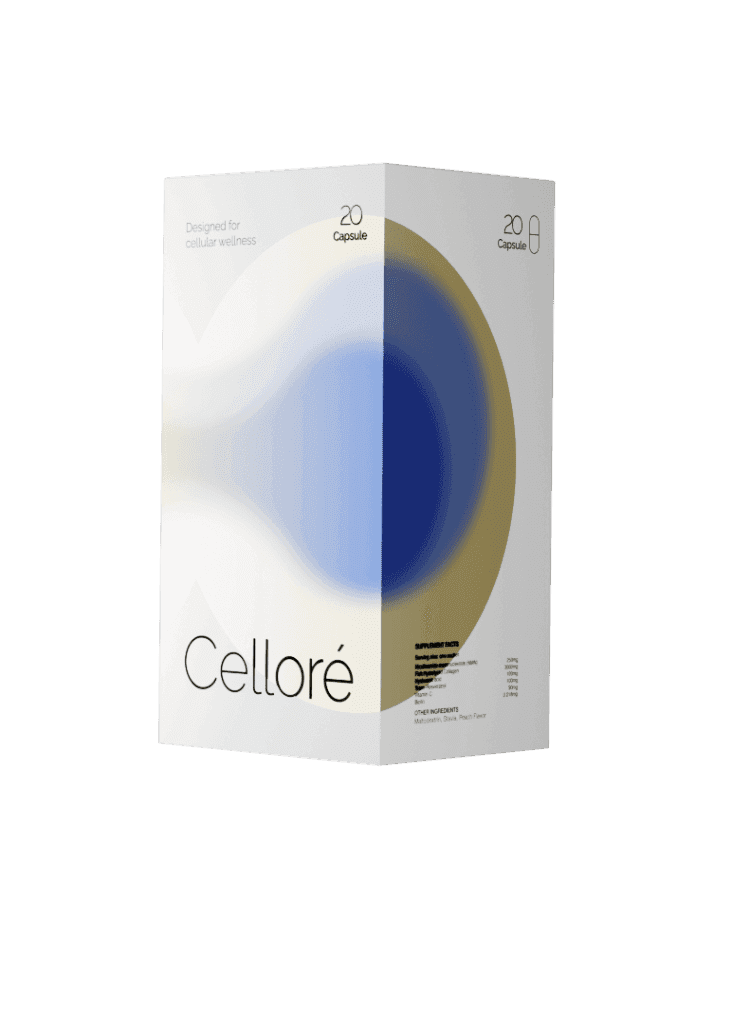

Celloré® DHA 500
Typical High Dose Omega-3s
Your Celloré DHA 500 Journey During Pregnancy

Rapid Maternal DHA Repletion
Higher-dose intake supports faster elevation of maternal DHA status, especially in women with low baseline levels.
Scientific studies
Questions & Answers
3 answered questions
Camil
Q:Why does this product provide 500 mg of DHA
A:500 mg of DHA delivers a higher-dose option for individuals with increased physiological needs, such as late pregnancy, breastfeeding, or those with low dietary omega-3 intake.
By Celloré
Sara
Q:Should I continue DHA after pregnancy?
A:DHA remains important during breastfeeding. Discuss continued use with your healthcare provider.
By Celloré
Fatima
Q:Can DHA 500 be taken alongside a general omega-3 supplement
A:Yes, but total daily omega-3 intake should be considered to avoid excessive dosing.
By Celloré