Mechanisms of Action of Peppermint Oil in the Intestine

The Science

Doing What Matters, Scientifically.

Mechanisms of Action of Peppermint Oil in the Intestine

Neurogenic, Myogenic, and Microbial Pathways

Mechanisms of Peppermint Oil in Gastrointestinal Relief

Peppermint (Mentha x piperita) oil has long been used for digestive complaints, and modern research has elucidated several mechanisms underlying its efficacy. Menthol, the primary active constituent, interacts with transient receptor potential melastatin-8 (TRPM8) channels on sensory neurons. Activation of these cold-sensitive receptors produces a cooling sensation and desensitises visceral afferent fibres involved in pain transmission. This helps explain peppermint oil's ability to reduce abdominal discomfort in conditions like irritable bowel syndrome (IBS). Menthol also blocks voltage-gated calcium channels in intestinal smooth muscle, leading to relaxation of the gut wall and decreased peristaltic contractions. This antispasmodic effect reduces spasms that contribute to cramping and pain.
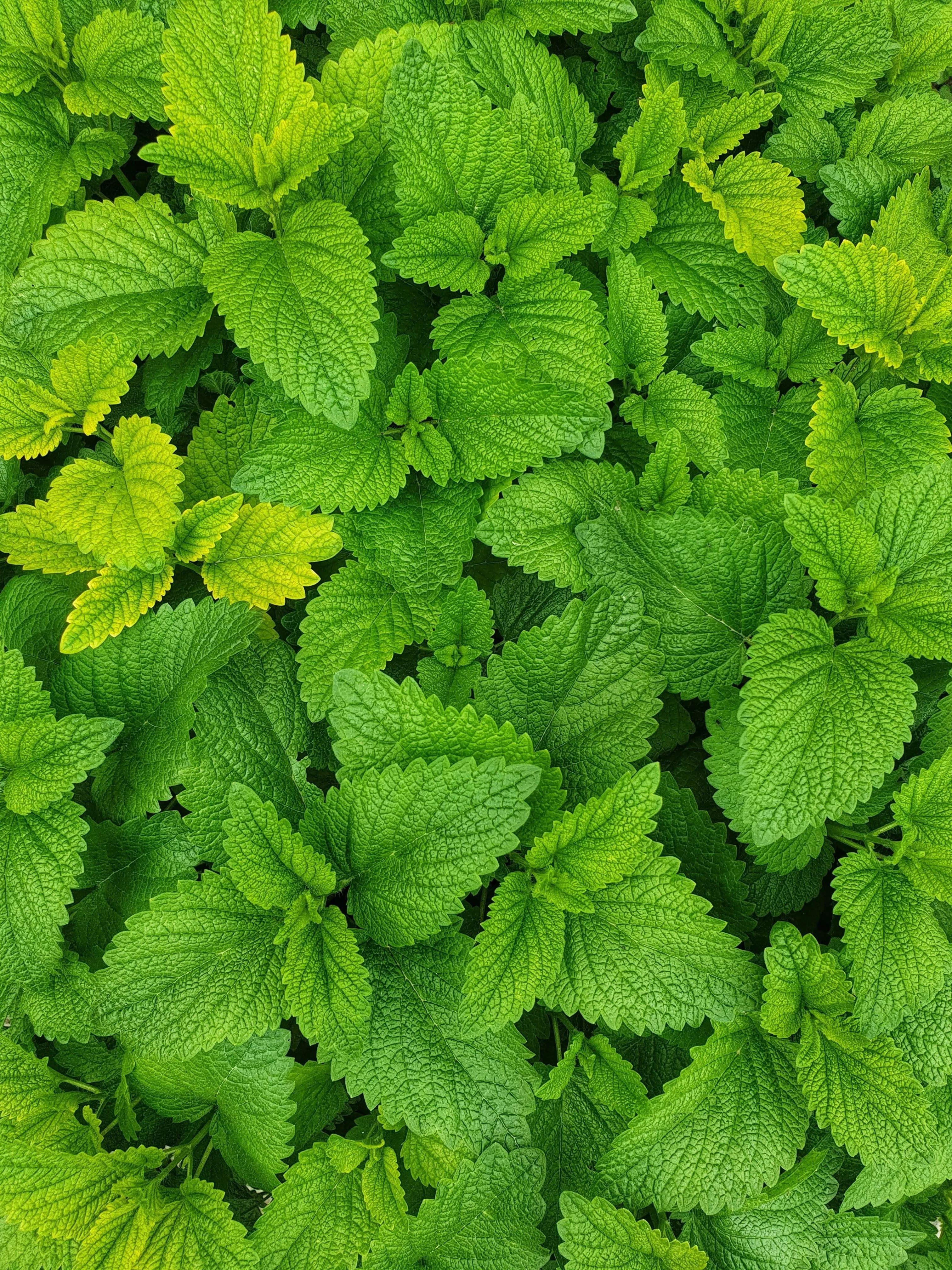
Peppermint leaves with ice cubes

Antispasmodic, antimicrobial, gut-modulating activity

Beyond menthol, peppermint oil contains monoterpenes such as menthone and menthyl acetate, which contribute to its pharmacological effects. In vitro studies show that peppermint oil inhibits acetylcholine-induced contractions in guinea pig ileum, suggesting anticholinergic properties. In the intestine, peppermint oil modulates secretion by reducing the activity of serotonergic and histaminergic pathways, which may alleviate bloating and gas. The oil's antimicrobial and anti-inflammatory actions further support gut health; it can inhibit growth of pathogenic bacteria like Escherichia coli and Helicobacter pylori, while sparing beneficial flora.

Clinical trials provide evidence for these mechanisms. In randomized controlled trials, enteric-coated peppermint oil capsules significantly improved IBS symptoms compared with placebo. Patients experienced reductions in abdominal pain and bloating, with few adverse effects. The enteric coating ensures that the oil is released in the small intestine rather than the stomach, preventing heartburn or relaxation of the lower esophageal sphincter. Dosing typically ranges from 180–200 mg of peppermint oil two or three times daily. Importantly, peppermint oil is not a cure-all; individuals with gallstones, hiatal hernia or gastroesophageal reflux disease should consult healthcare providers before use.
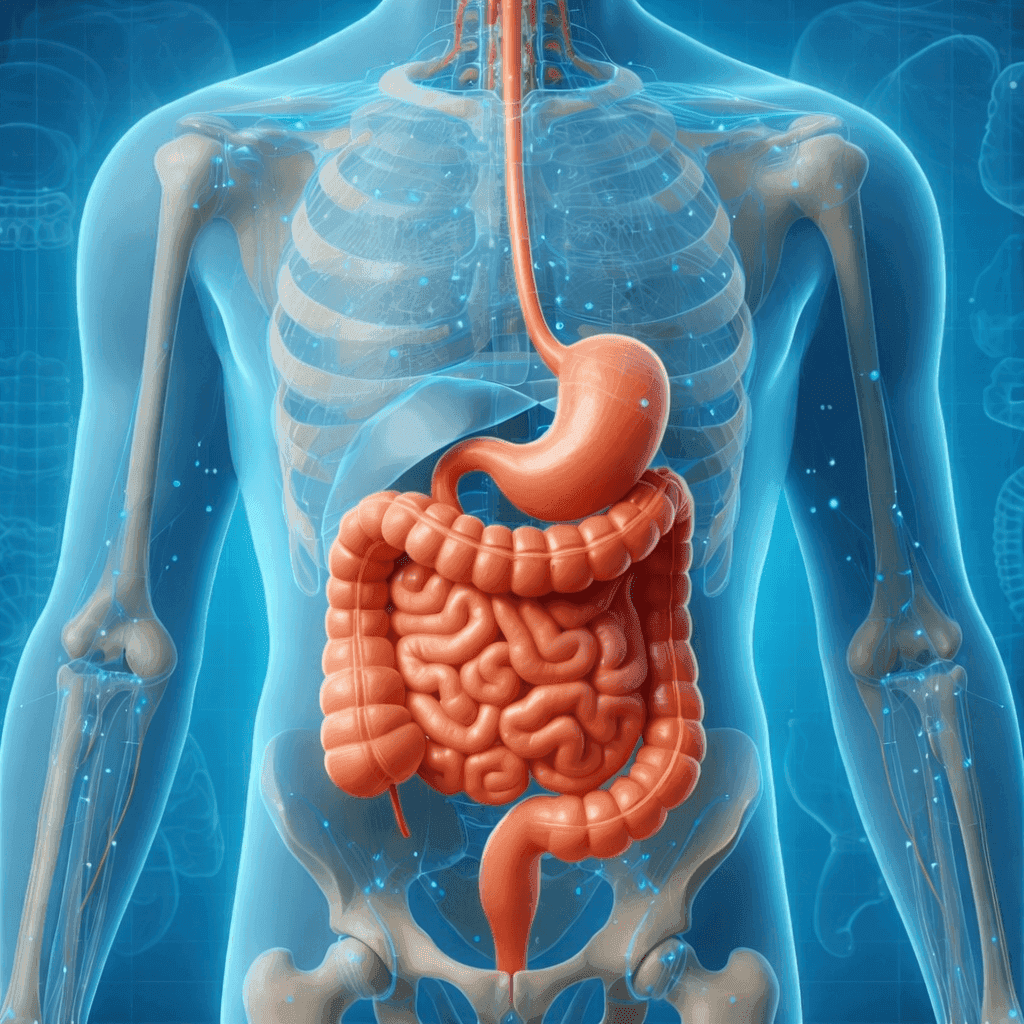
Anatomical illustration of the digestive system

Mechanisms

Overall, peppermint oil's benefits arise from a multifaceted interaction with the intestinal nervous system and smooth muscle. By modulating ion channels, neurotransmitter pathways and microbiota, it offers a natural option for managing functional gastrointestinal disorders. Ongoing research may further clarify these mechanisms and identify synergistic combinations with other botanicals.
back to the beginning