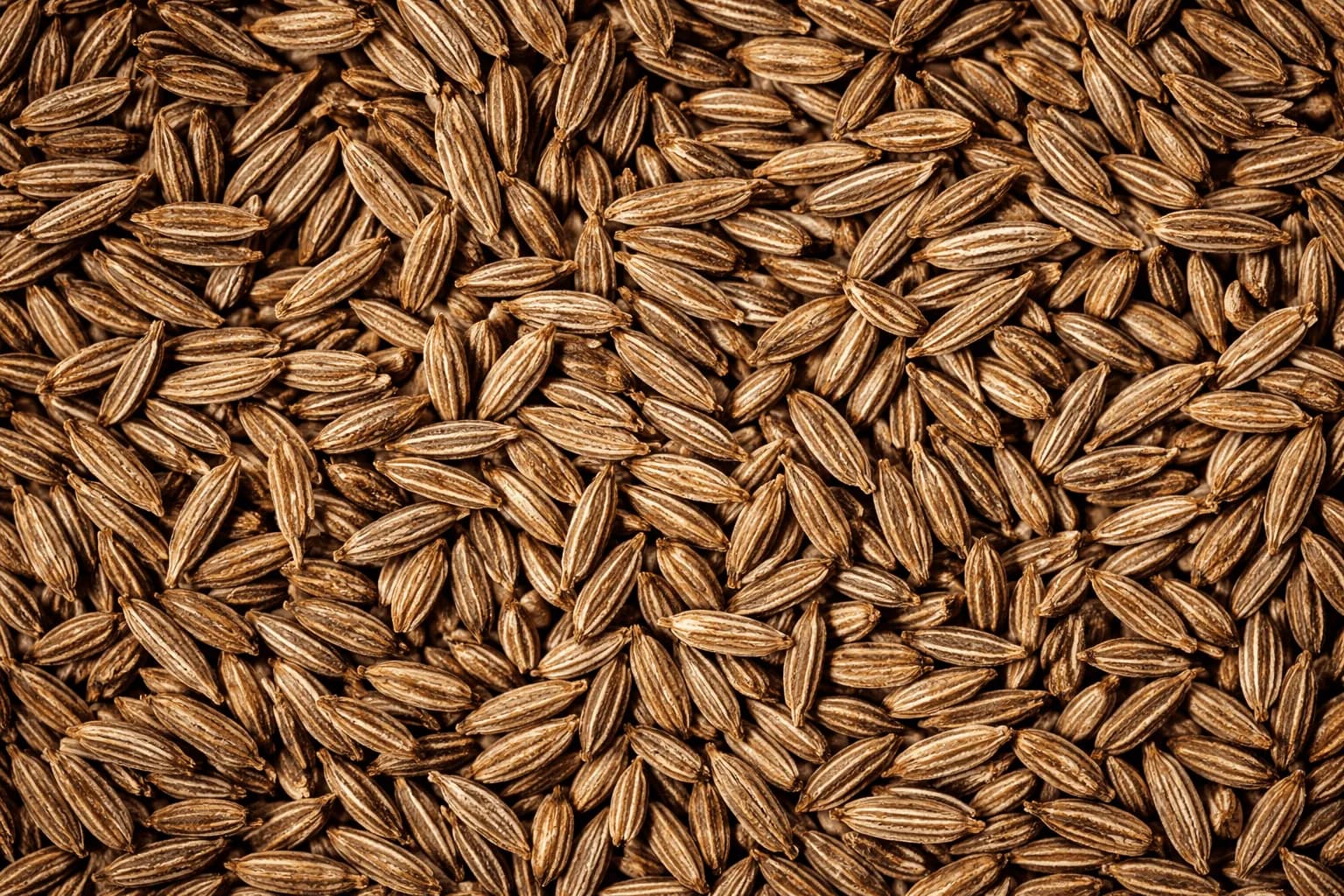
Mechanisms of Action of Caraway Oil in the Intestine

The Science

Doing What Matters, Scientifically.

Mechanisms of Action of Caraway Oil in the Intestine

Calcium Channel Inhibition and Cholinergic Modulation Underlying Its Antispasmodic Effects

Monoterpene-Mediated Modulation of Enteric Smooth Muscle Contractility
Caraway oil, derived from the seeds of Carum carvi L., has been traditionally employed for dyspeptic complaints, flatulence and abdominal cramping. Contemporary pharmacological research has clarified several mechanisms that explain its gastrointestinal benefits. The principal bioactive constituents are the monoterpenes carvone (typically 50-65%) and limonene (up to 40%), which exert complementary effects on intestinal smooth muscle and enteric signaling pathways.
Carvone exhibits strong antispasmodic effects. In isolated intestinal smooth muscle, caraway oil decreases both spontaneous and acetylcholine-induced contractions, reflecting modulation of muscarinic cholinergic signaling. This effect is mediated by inhibition of voltage-gated calcium influx, which lowers intracellular calcium and promotes smooth muscle relaxation. By reducing gut hypercontractility, caraway oil alleviates cramping and functional abdominal pain, particularly in functional dyspepsia and irritable bowel syndrome (IBS).
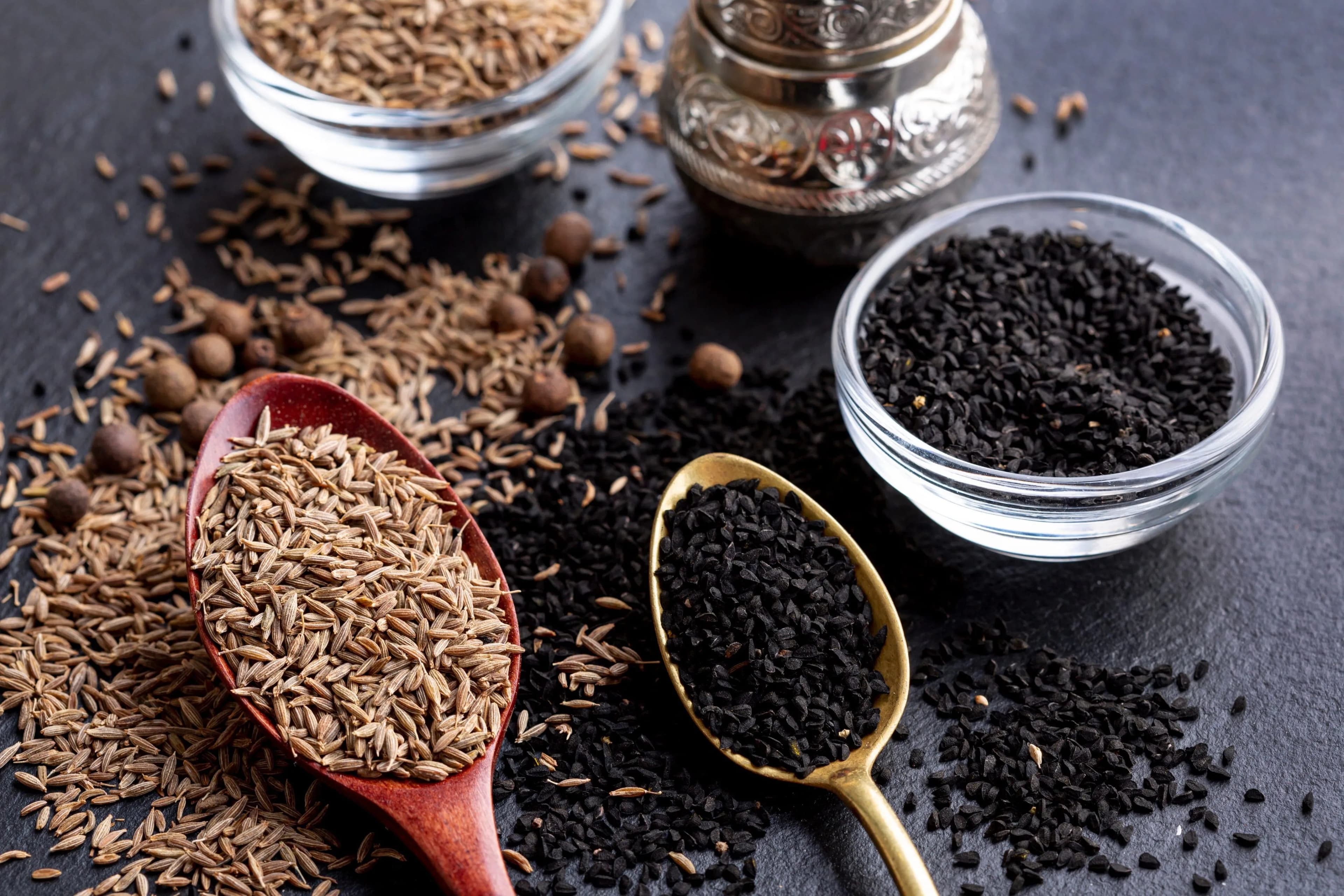
Caraway seeds and oil

Prokinetic, Carminative, and Choleretic Actions
Limonene contributes additional prokinetic and carminative properties. It appears to facilitate coordinated gastric emptying while reducing excessive gas formation through modulation of intestinal motility patterns. Caraway oil also exhibits mild choleretic effects, promoting bile flow, which may enhance fat digestion and reduce postprandial fullness. These actions collectively address symptoms of bloating, early satiety, and epigastric discomfort.
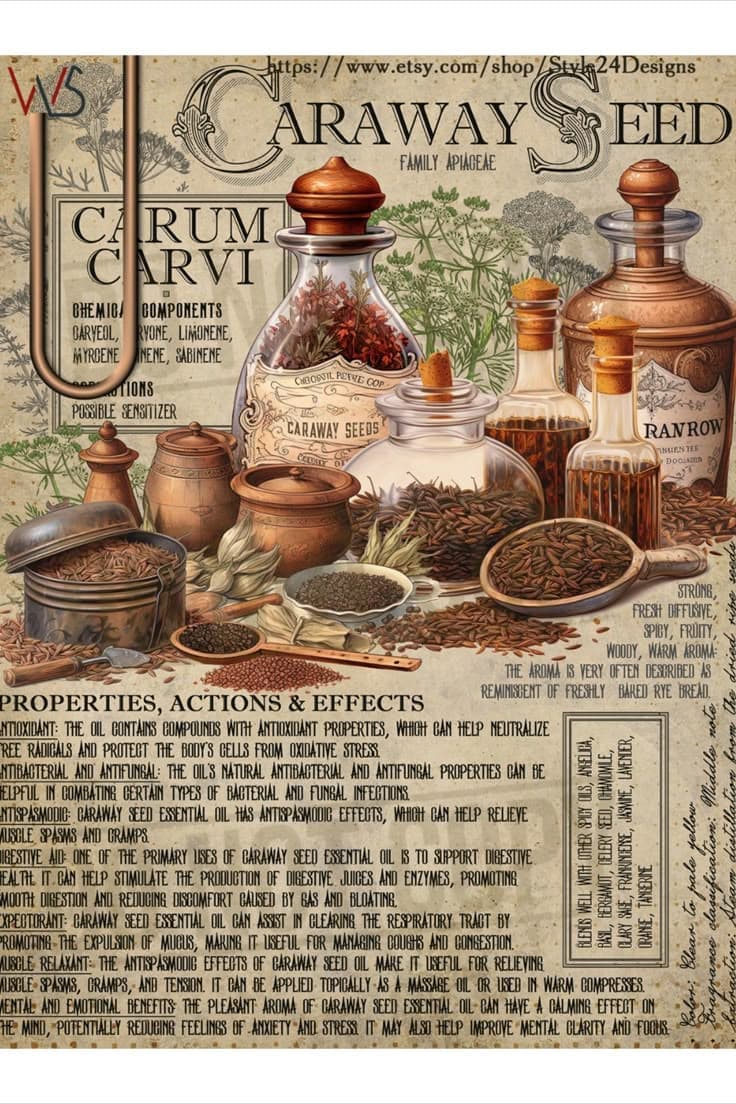
Vintage illustration of Caraway bottles

Antimicrobial and
Anti-Inflammatory Activity

Beyond smooth muscle modulation, caraway oil displays antimicrobial activity against a range of gastrointestinal pathogens, including Escherichia coli and Helicobacter pylori, while exerting less inhibitory pressure on commensal flora. This selective antimicrobial effect may support microbiome balance in functional gastrointestinal disorders. Additionally, experimental models suggest anti-inflammatory activity mediated through downregulation of pro-inflammatory mediators, which may further contribute to mucosal comfort.

Clinical Evidence, Dosing, and Safety Profile

Clinical evidence supports these mechanistic findings. Randomized controlled trials have shown that combinations of enteric-coated caraway oil with peppermint oil significantly improve symptoms of functional dyspepsia compared with placebo. Patients report reductions in epigastric pain, bloating and pressure sensations, with good tolerability. Enteric coating is particularly important, ensuring targeted release in the small intestine and minimizing gastric irritation.

Typical dosing in clinical studies ranges from approximately 25-50 mg of caraway oil, often administered in combination formulas two to three times daily. Adverse effects are generally mild and infrequent; however, as with other essential oils, use should be cautious in individuals with biliary obstruction or known hypersensitivity.

In summary, caraway oil exerts a multifactorial action in the gastrointestinal tract: relaxation of smooth muscle via calcium channel modulation, normalization of motility, antimicrobial support and mild anti-inflammatory effects. These mechanisms provide a pharmacologically plausible basis for its role in managing functional digestive disorders.

back to the beginning